
The most common way beginners kill rosemary is by watering it faithfully. Every day, on schedule, as if it were a fern.
The easiest herbs to grow for beginners are chives, oregano, parsley and basil, followed by sage, rosemary, bay, dill, lemongrass and fennel, each of which has one catch worth knowing before you buy. Start with chives and oregano from nursery pots and you can be cutting leaves the same week.
Chives and oregano forgive almost everything. Parsley asks for patience, basil asks for warmth, and rosemary, sage and bay do best when you leave them alone. Dill, lemongrass and fennel are easy only if they suit your climate and your bed.
- Rosemary, sage and oregano die of too much water far more often than too little. They evolved on dry, stony hillsides and their roots rot in soggy soil.
- Herbs you cut often grow more. Chives, parsley and basil answer regular harvesting with fresh leaves, and basil left uncut sends up a flower spike and slows down.
- Fennel does badly in a shared bed. Gardeners widely report that it stunts its neighbors. The research evidence is thin, but a pot of its own costs nothing.
This guide assumes a spot with six hours of direct sun and either garden soil or pots with drainage holes. Hardiness zones refer to the USDA Plant Hardiness Zone Map (2023 update). In a tropical climate, ignore the frost warnings and watch heat and humidity instead. In a cold one, treat the tender herbs as annuals or indoor plants.
What do herbs need before you plant them?
Most culinary herbs need six hours of direct sun, soil that drains within minutes of watering, and a pot at least 25 cm (10 inches) wide if you’re growing in containers. Those three conditions matter more than variety, fertilizer or planting date. Get them right and most herbs on this list will look after themselves.
Herbs split into two camps by what they want from soil. Oregano, rosemary, sage and bay want lean, gritty ground: mix a few handfuls of perlite or coarse sand into every bag of potting mix. Basil, parsley, chives, dill and lemongrass want richer, evenly moist soil with compost worked in. Putting both camps in one pot is the usual reason one of them struggles.
Rich soil and heavy feeding also push Mediterranean herbs into fast, soft growth with weaker flavor. [ADD EXPERIENCE: name the sunniest and shadiest spots in your own garden and which herb thrived or sulked in each.]
Which herbs are easiest to grow, one by one?
The ten below run roughly from most to least forgiving.
1. Chives
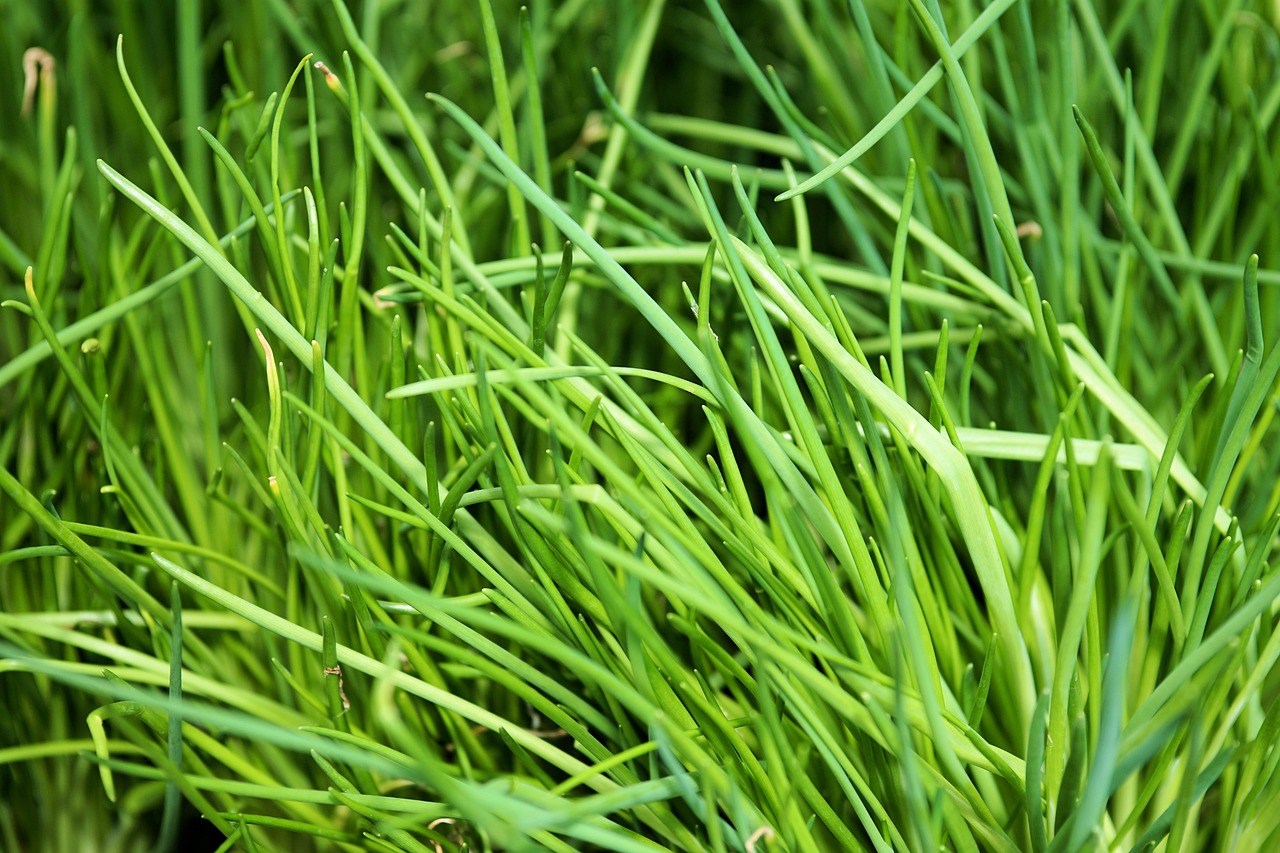
Chives (Allium schoenoprasum) are the most forgiving herb a beginner can plant. This perennial onion relative survives cold down to about USDA zone 3, regrows after every cut, and grows in sun or light shade. Buy a clump or sow seed, then trim leaves to about 5 cm above the soil whenever you need them.
The purple pom-pom flowers are edible. When the center of a clump thins out after a few years, split it with a spade and replant the pieces.
2. Oregano
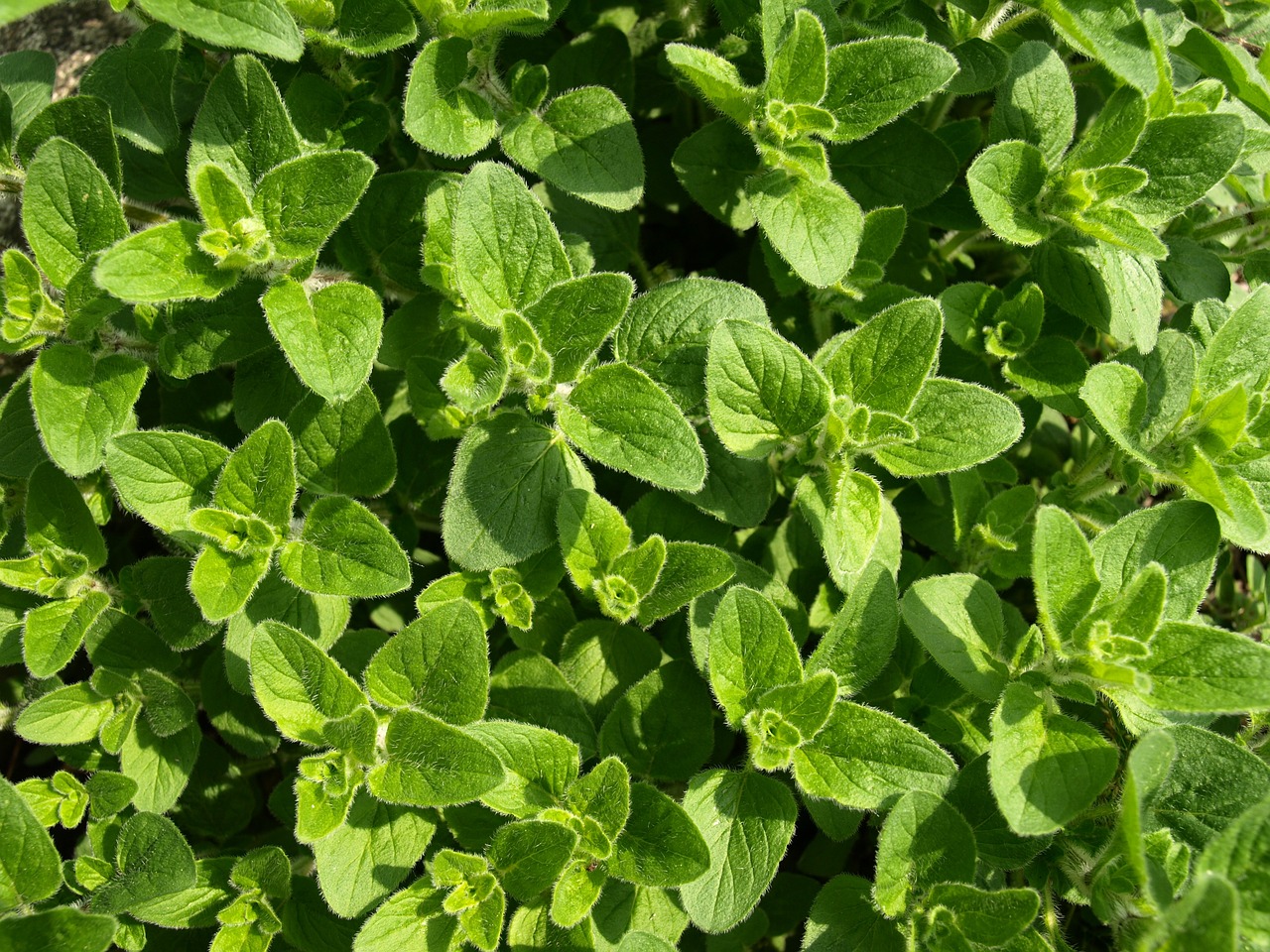
Oregano (Origanum vulgare) thrives in full sun and poor, dry soil, which makes it hard to ruin unless you overwater. It is a hardy perennial in most temperate climates, roughly zones 5 to 10 。
Buy Greek oregano (O. vulgare subsp. hirtum) if you want strong flavor. Some ornamental oreganos look lovely and taste of very little. Rub a leaf between your fingers at the nursery: no smell, no purchase.
3. Parsley
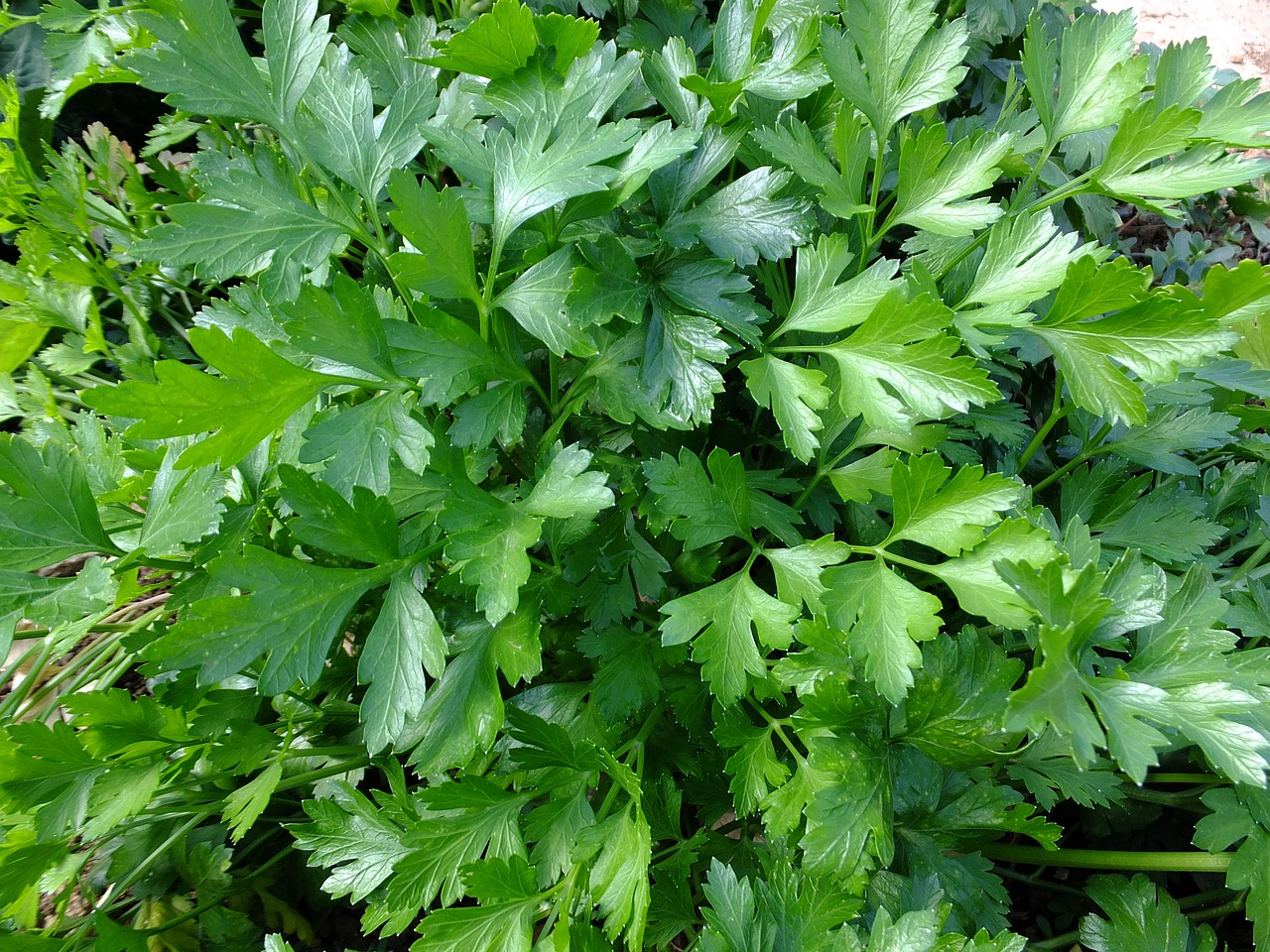
Parsley (Petroselinum crispum) is easy to look after but slow to start. Seed can take three to six weeks to sprout, and soaking it overnight in warm water is the usual shortcut. It tolerates part shade, wants steady moisture, and is a biennial, so it gives one good season before it flowers and fades.
Sow a fresh batch each spring. Flat-leaf parsley is the usual choice for cooking. If striped green caterpillars show up, check before you squash them: in North America they are often black swallowtail larvae, and parsley is one of their host plants.
4. Basil
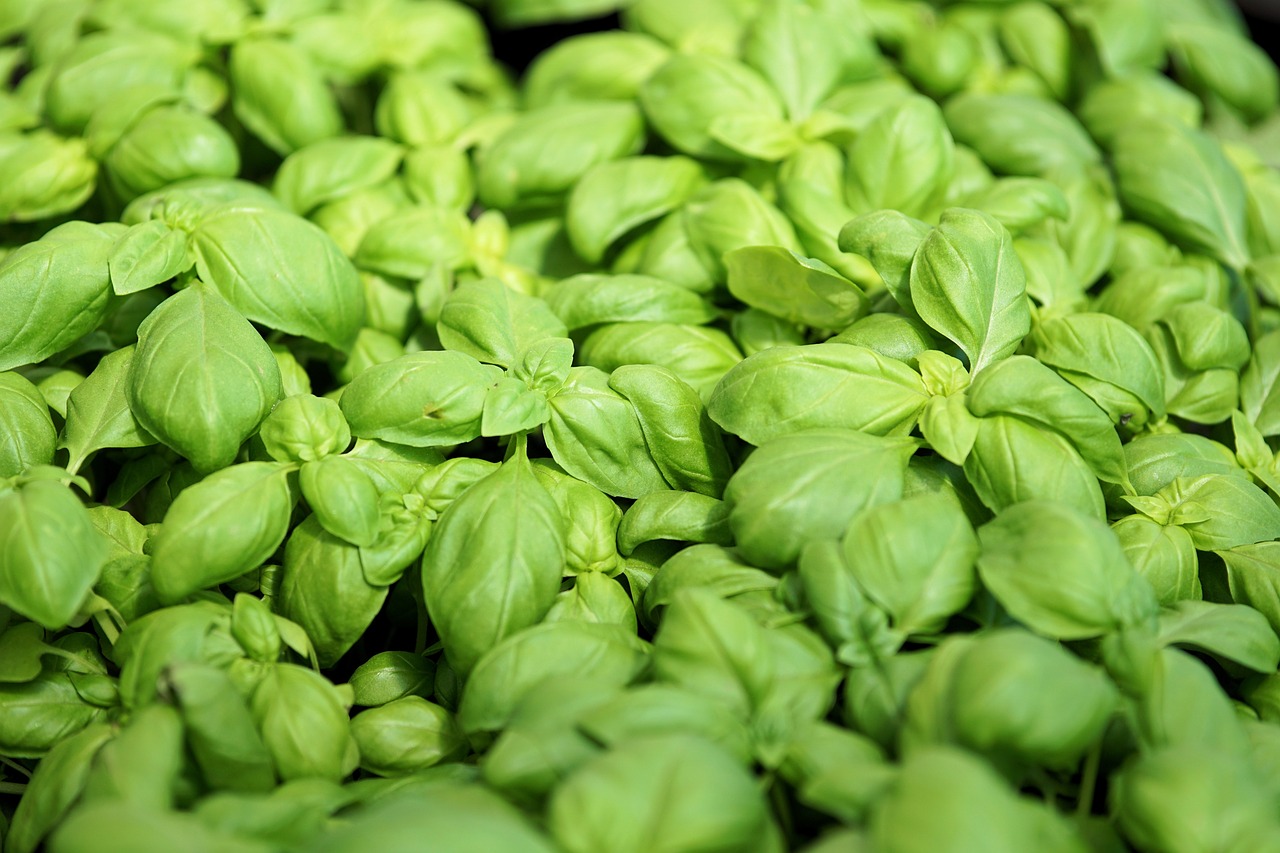
Basil (Ocimum basilicum) is easy in warm weather and hopeless in cold. This tender annual germinates best when soil sits near 21°C (70°F) or warmer and blackens at the first frost. Water at soil level in the morning, because wet leaves at night invite downy mildew.
Pinch off the top pair of leaves just above a leaf pair once the plant has about six leaves, then keep pinching flower buds. A supermarket pot holds dozens of crowded seedlings. Split it into three or four pots the day you buy it.
5. Sage
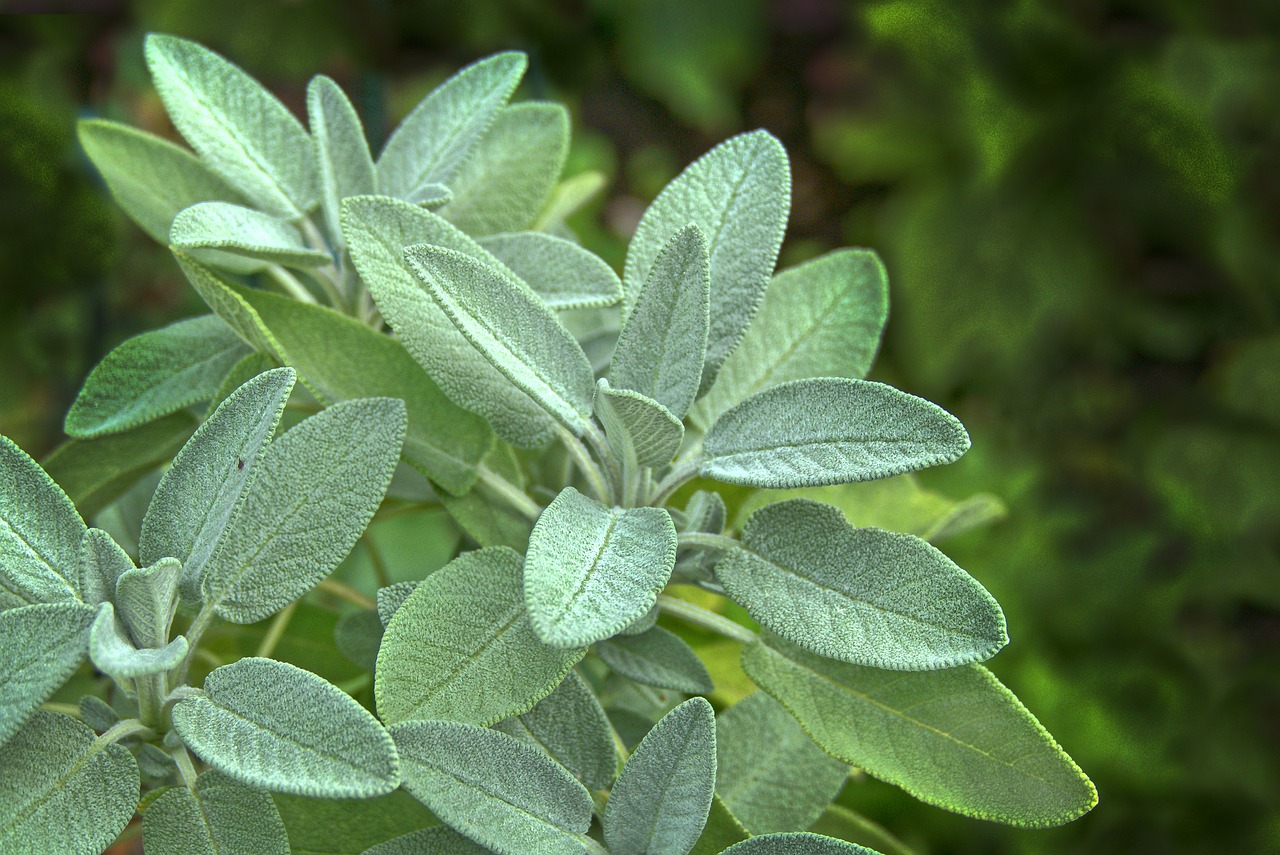
Sage (Salvia officinalis) is a woody Mediterranean perennial that wants full sun and fast-draining soil. Water it deeply, then leave it alone until the top few centimeters dry out. It is hardy in roughly zones 5 to 8.
Cut it back by about a third each spring, only into green growth, since old bare wood rarely resprouts. Plants turn leggy after four or five years, so root a few cuttings in early summer as insurance.
6. Rosemary
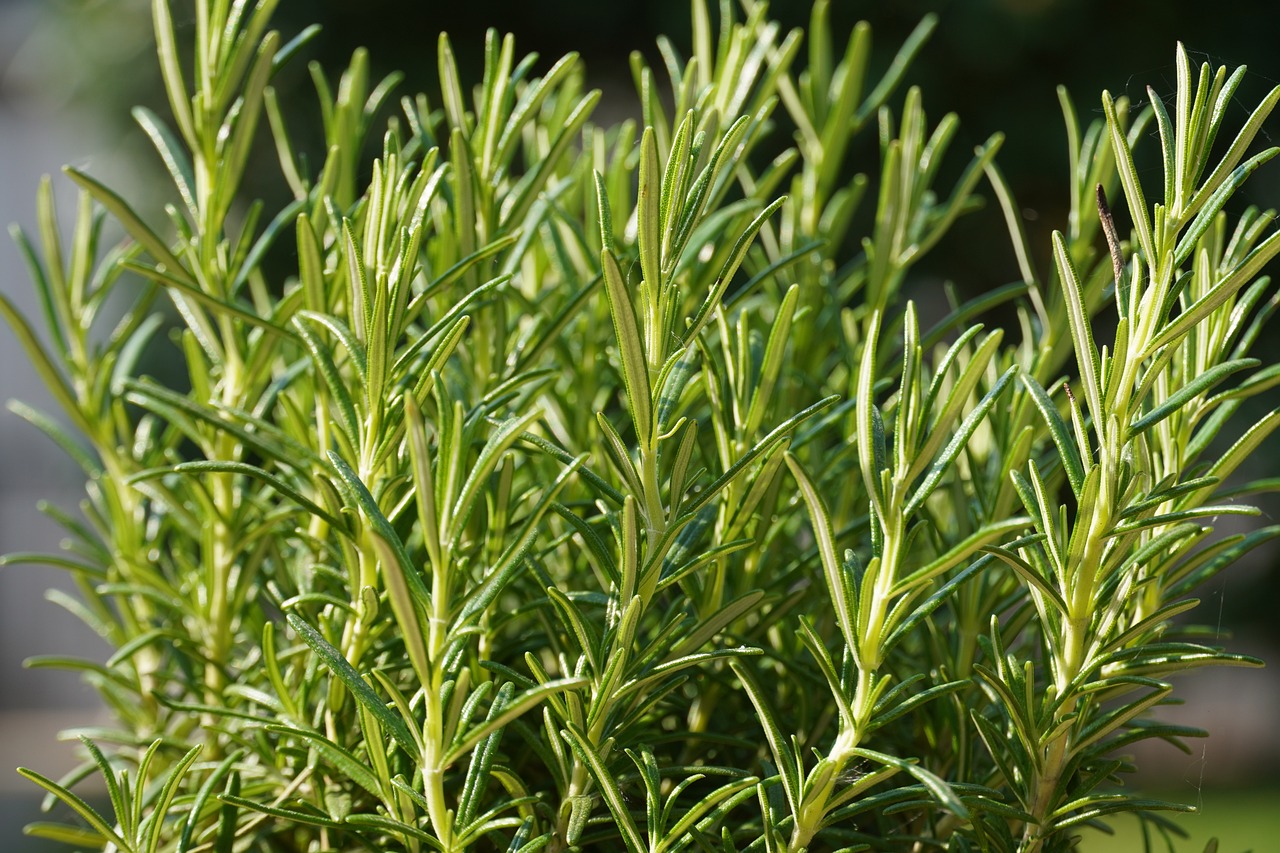
Rosemary (Salvia rosmarinus, formerly Rosmarinus officinalis) survives drought, heat and neglect, and dies from wet roots. Grow it in a pot with drainage holes or on a slope, in full sun. Buy a small plant rather than seed, because seed germinates slowly and unreliably.
Where winters fall below roughly zone 7 or 8, bring the pot indoors to a bright window and water sparingly. Indoor rosemary usually dies of soggy soil and powdery mildew, not cold.
7. Bay
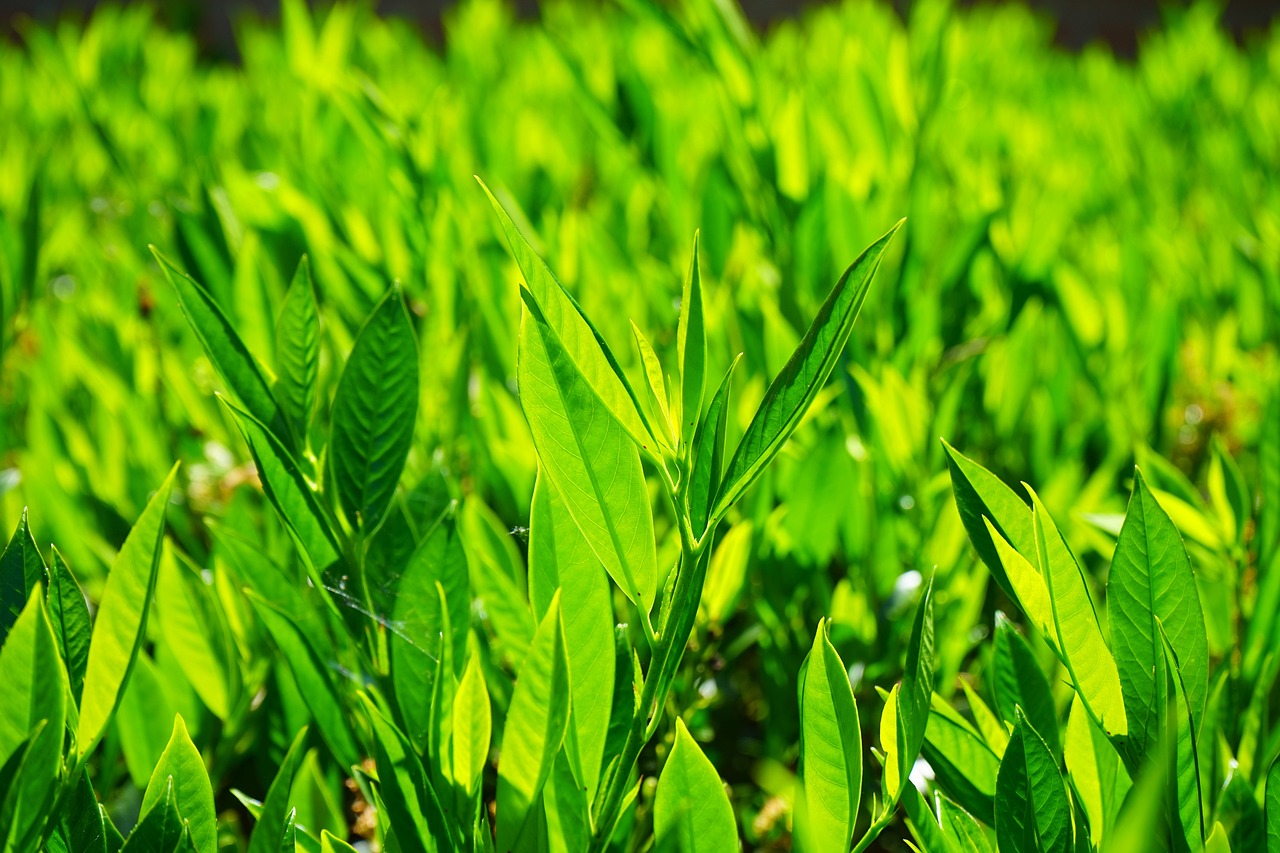
Bay laurel (Laurus nobilis) is a slow-growing evergreen tree that asks for almost nothing and gives you leaves for years. Buy a young plant, since seed takes months. It copes well in a pot, tolerates part shade, and is hardy to roughly zone 8.
Harvest only a few leaves at a time for the first couple of years. Check the label before buying: Indian bay leaf (Cinnamomum tamala) and Indonesian bay leaf (Syzygium polyanthum) are different plants with different flavors.
8. Dill
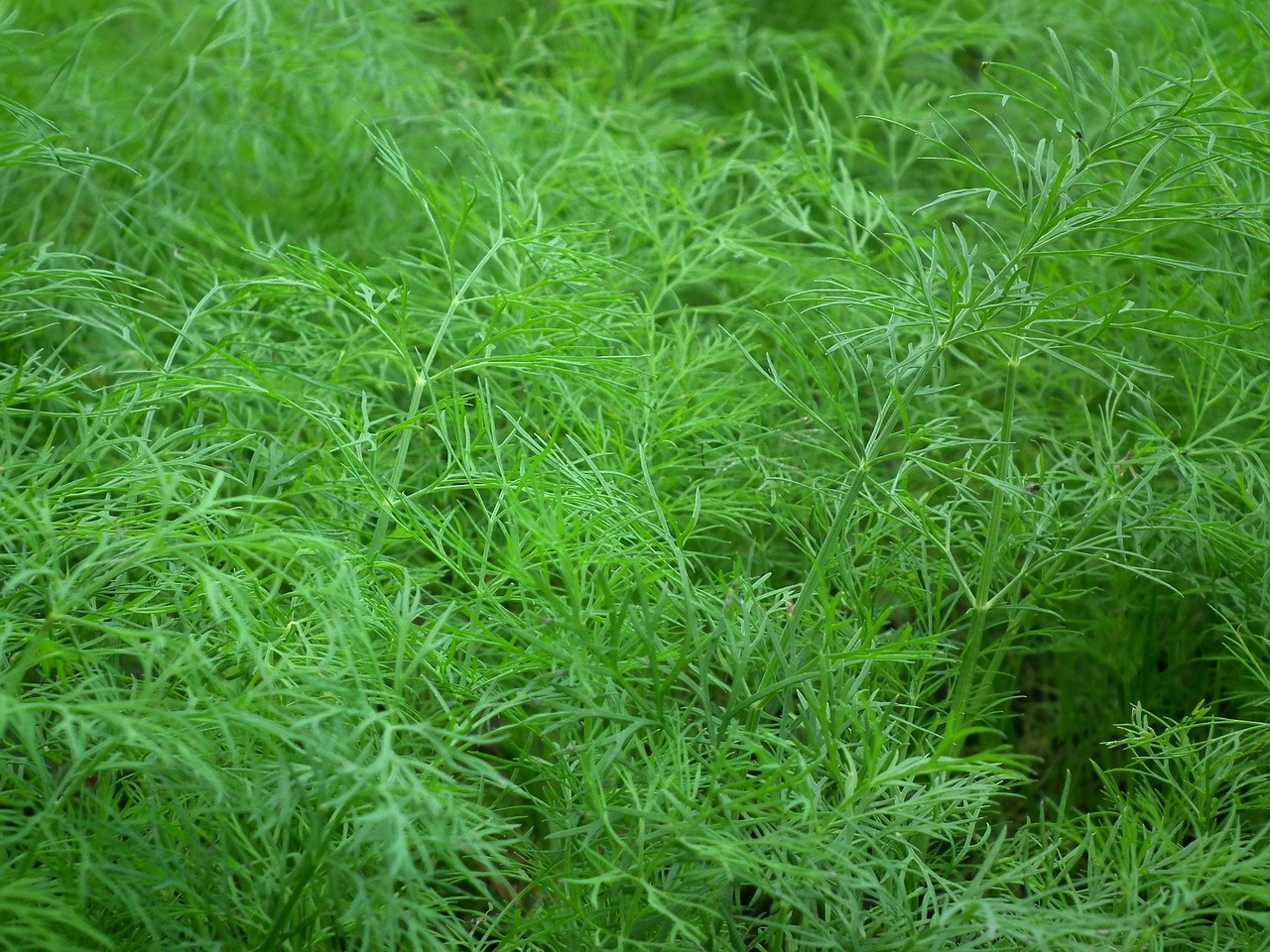
Dill (Anethum graveolens) is a fast annual that dislikes being moved, because its taproot sulks after transplanting. Sow seed directly where it will grow, then sow again every two to three weeks for a steady supply, since each plant bolts quickly in heat.
In hot climates, grow dill in the cooler months. Let one plant flower: it self-seeds, and bees and hoverflies work the flower heads.
9. Lemongrass
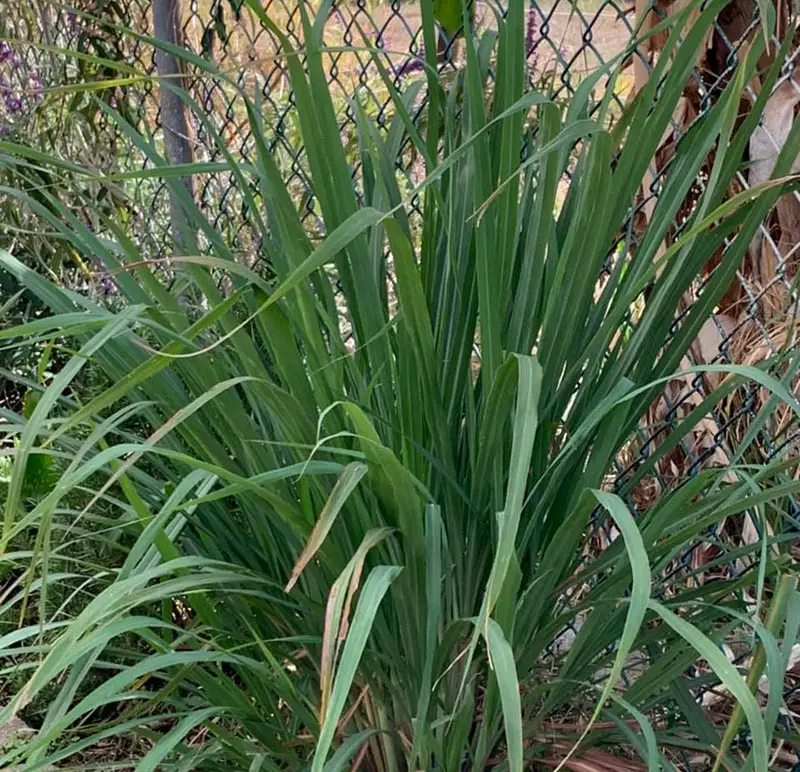
Lemongrass (Cymbopogon citratus) is easy in warm, humid climates and tender in cold ones. Root a fresh grocery-store stalk with its base intact in a glass of water until roots show (usually about two weeks), then plant it in rich soil in full sun with plenty of water.
It forms a clump and is perennial in roughly zones 9 to 11. Elsewhere, keep it in a pot and bring it in before frost. Cut stalks at the base once they reach about the thickness of a finger.
10. Fennel
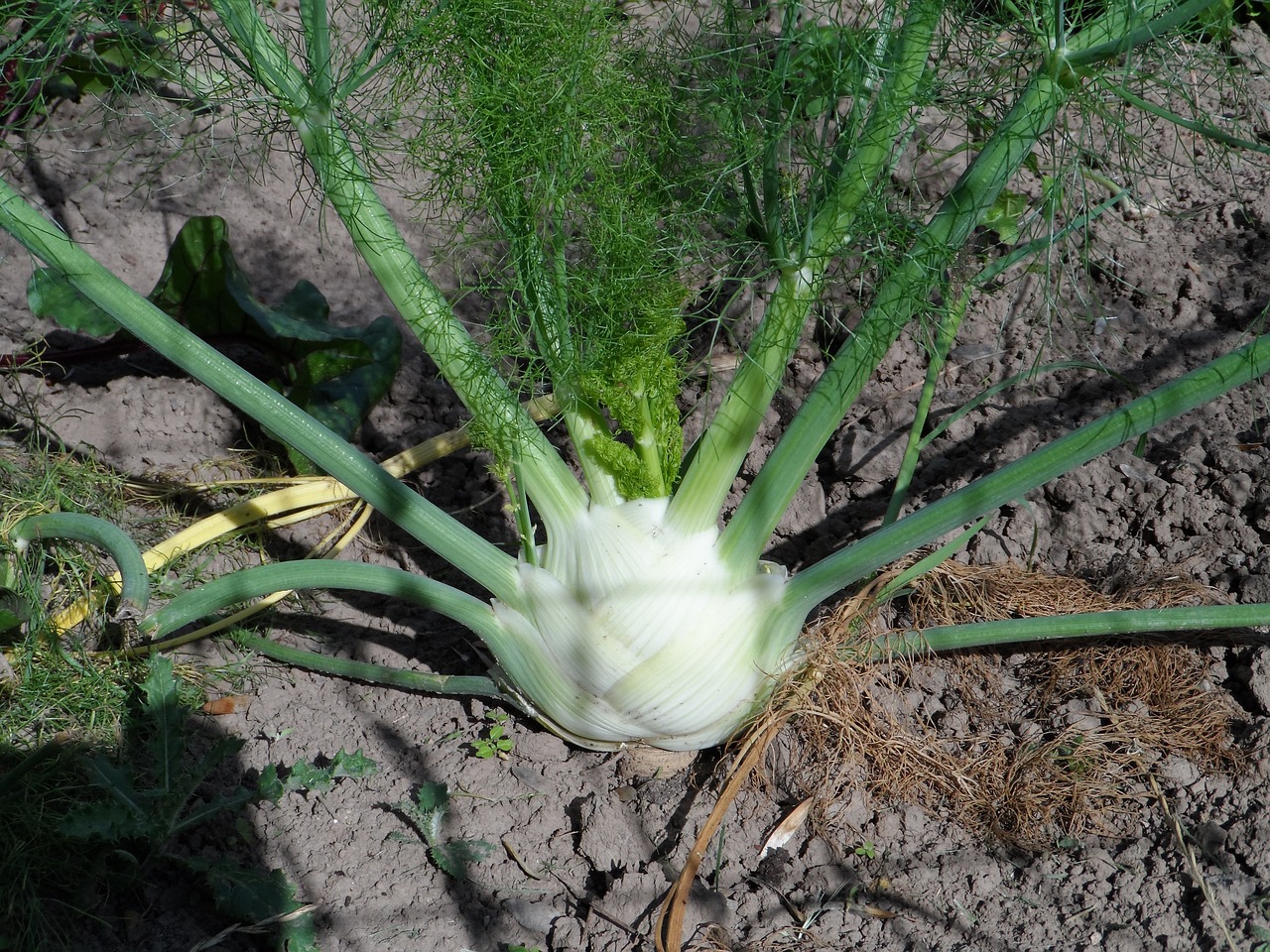
Fennel (Foeniculum vulgare) is easy to grow and the herb most likely to cause trouble in a mixed bed. Choose herb fennel, grown for fronds and seed, rather than Florence fennel (F. vulgare var. azoricum), the bulb type, which bolts easily and fusses over heat.
Give it a large pot of its own, since plants can reach about 1.5 m. Fennel is listed as invasive in parts of the western United States, so gardeners there should cut flower heads before the seed drops.
How do you choose which herb to plant first?
The right first herb depends on your light, your water habits and your winters, in that order. The table sorts all ten by what they need and what usually goes wrong.
| Herb | Lifespan | Light | Start from | Main beginner risk |
|---|---|---|---|---|
| Chives | Perennial | Sun to light shade | Clump or seed | Almost none |
| Oregano | Perennial | Full sun | Nursery plant | Overwatering |
| Parsley | Biennial | Sun to part shade | Seed (slow) or plant | Slow germination |
| Basil | Annual | Full sun, warmth | Seed or plant | Cold, flowering |
| Sage | Perennial | Full sun | Nursery plant | Wet soil |
| Rosemary | Perennial | Full sun | Nursery plant | Wet roots |
| Bay | Perennial tree | Sun to part shade | Nursery plant | Slow growth |
| Dill | Annual | Full sun | Seed, sown in place | Bolting in heat |
| Lemongrass | Tender perennial | Full sun | Grocery-store stalk | Frost |
| Fennel | Perennial | Full sun | Seed or plant | Crowding neighbors |
- If your garden is shady, plant chives and parsley.
- If you forget to water, plant rosemary, sage and oregano. If you water daily, plant chives, parsley and basil.
- If you grow on a balcony, stick to chives, oregano, parsley and basil in pots.
- If your climate is hot and humid, plant lemongrass and basil and skip dill.
- If winters freeze, grow rosemary, bay and lemongrass in pots you can carry inside.
Why do beginner herb gardens fail?
Beginner herb gardens fail mostly because of water and timing. Overwatering rots the roots of rosemary, sage and oregano, and sowing annuals like basil or dill in the wrong season produces seedlings that die or bolt within weeks. Harvesting too timidly rarely kills a plant but leaves it straggly.
Season deserves more attention than it gets. Basil sown into cold soil sulks or rots. Dill sown into midsummer heat flowers before it makes much foliage. If you garden in the tropics, cool-season herbs like dill and parsley usually do better in the cooler, drier months.
Cut more than feels polite. A chive clump trimmed to 5 cm sprouts new leaves, and a basil plant pinched weekly grows bushy instead of tall. [ADD EXPERIENCE: a herb you killed, what you did, and what you’d change.]
Should you let any herbs flower?
Yes. Let one plant of each flowering herb bloom, even if you cook with the rest. Chive blossoms feed bees, and the flat flower heads of dill, fennel and parsley are widely recommended for attracting hoverflies, whose larvae eat aphids. The plants often self-seed too, so next year’s herbs arrive free.
Pick the chive clump nearest your vegetable bed and leave it uncut until it blooms. Then sit beside it for ten minutes on a warm afternoon and count the visitors. That count is the first piece of original data your garden produces, and it will describe your local pollinators better than any list online.
Frequently asked questions
What is the easiest herb to grow from seed?
Basil and dill are the quickest from seed, sprouting within about a week to ten days in warm soil. Chives are reliable but slower. Parsley takes three to six weeks. Rosemary, sage and bay are easier to buy as young plants or to grow from cuttings.
Which herbs can you grow indoors on a windowsill?
Chives, parsley, basil and oregano manage on your sunniest window if it gets about six hours of light. Without enough light they stretch and weaken. A cheap LED grow light 10 to 15 cm above the plants helps in winter. Rosemary and sage tolerate indoor conditions poorly.
Which herbs come back every year?
Chives, oregano, sage, rosemary, bay and fennel are perennials and return each year within their hardiness range. Lemongrass does so only in frost-free climates. Basil and dill are annuals, though dill often self-seeds. Parsley is a biennial and gives one good season.
Can you plant these herbs together?
Mostly yes, if you group them by water needs. Put oregano, rosemary and sage together in lean, dry soil, and basil, parsley and chives together in richer, moister soil. Fennel is the exception and does better in a pot of its own.
How often should you water herbs?
Check the soil, not the calendar: push a finger 2 to 3 cm in. Water basil, parsley, chives and dill when that depth feels dry. Water rosemary, sage, oregano and bay only when the top few centimeters are fully dry. Pots dry out faster than ground soil.
