Growing lettuce indoors is quite simple and easy. Even a complete novice can do it. It is a good gardening task that parents may even ask their children to carry out.
We all know that it is quite challenging for us to grow lettuce outside, especially during winter when we need snow and ice. Some may even need to deal with the cold and strong wind outside.
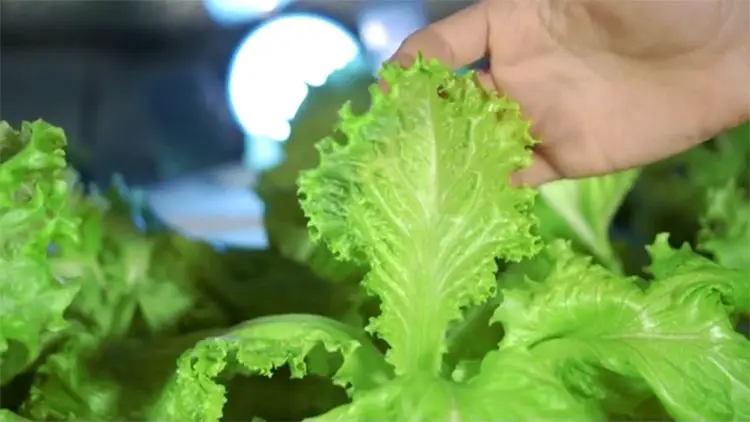
To avoid all the hassles, it is a good idea to grow lettuce inside our house. As long as you make some space for the plants, you will be able to plant lettuce all winter long, no matter how the weather behaves outside.
However, some people may not know how to start to grow them indoors. Well, you do not need to worry too much. I will share with you how to do so in a short while.
Without further ado, let’s begin.
What You Need (Just 4 Things)
- A container
- Seeds
- Potting mix
- A grow light (optional, but strongly recommended if your windows don’t get much sun)
1. Containers: Free Options Work Great
You don’t need to buy anything fancy. Look around the house first:
- A plastic storage box or takeaway container. Lettuce has shallow roots, so 10–15 cm (4–6 inches) of depth is plenty.
- A seedling tray, a cheap option if you want to start seeds in batches (I’ll show you this method below).
Whichever you choose, drainage holes are a must. Soggy roots rot quickly. A hammer and a screwdriver will punch holes through the bottom of a plastic box in seconds. Put a tray underneath to catch drips.
2. Seeds: Pick Easy, Fast Varieties
Choose varieties known to be quick and forgiving. These six are my favorites for indoor growing:
- Buttercrunch: Probably the most popular choice, and for good reason. It has a soft, buttery texture, tastes sweeter than Romaine, resists disease, and is slow to bolt (go to seed), which makes it ideal for beginners.
- Salad Bowl: A cool-weather lettuce with beautiful frilly leaves and a great taste. One plant produces loads of seeds, so you can save them and replant forever.
- Black-Seeded Simpson: A classic leaf lettuce that has been grown in American gardens since the 1870s. It’s crisp, tender, and never bitter, and it’s one of the fastest to harvest.
- Lollo Rosa: A frilly, red-tinged lettuce that is pricey in shops. Growing it yourself saves real money. It’s also a good source of vitamin A.
- Romaine: Upright, crunchy, and slightly bitter, with great flavor for salads. It’s a little slower to mature indoors than leaf types.
- Iceberg: Crisp and mild. It’s the most demanding of the six indoors because it wants to form a tight head, so I’d save it until you have a bit of experience.
Tip: If you’re just starting out, go with loose-leaf types like Black-Seeded Simpson, Salad Bowl, or Lollo Rosa. You can start harvesting leaves much sooner than with head-forming types.
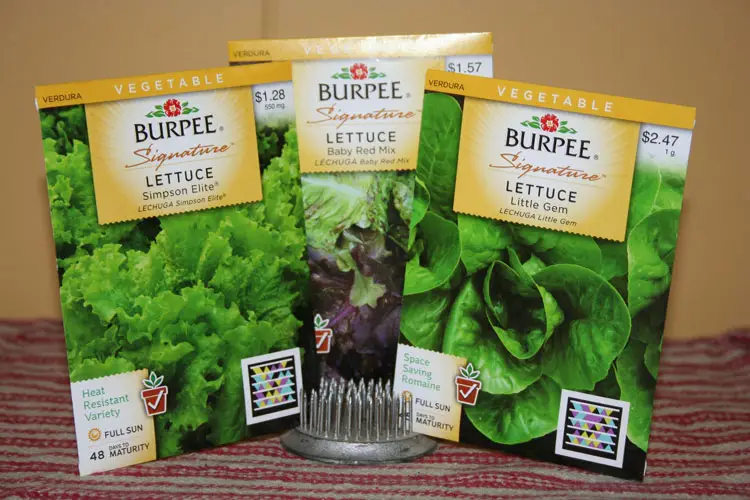
This variety of lettuce is crunchy and crispy. There is no bitterness when you bite it. You are going to love the taste in the first place if you try it out.
3. Soil: Light and Fluffy Wins
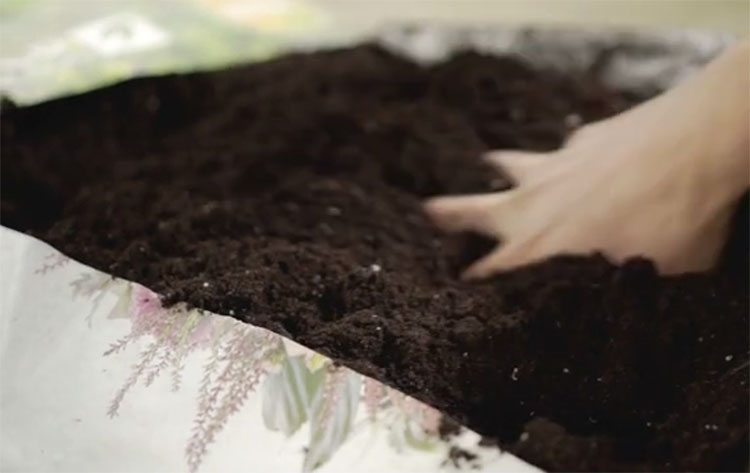
Lettuce seeds are tiny, and they sprout best in light, airy, well-draining soil. Use a quality organic potting mix, and avoid heavy soil dug from the garden, which compacts in containers.
My go-to recipe is 60% potting soil and 40% organic compost. The compost supplies a gentle supply of nutrients, and the potting soil keeps everything loose.
4. Grow Lights: Your Secret Weapon
The lettuce plants require a sufficient quantity of light to manufacture the food for their own. It is suggested to homeowners to use artificial lights for their indoor lettuce to compensate for the deficiency of sunlight indoors.
The indoor grow lights can substitute for sunlight and help the indoor plants grow properly and survive longer. Light is associated with varied colors that are measured via the light meter.
All the plants use sunlight to manufacture food, as it is the natural source of light. This kind of light comprises UVA and UVB. Sunlight is not in control of humans, and hence, it is not considered a reliable source intended for indoor plant lights.
One type of artificial light is incandescent light, which is utilized to illuminate the house when electricity is absent. Such kinds of indoor grow lights emit red light and can provide heat to the plant.
Common Indoor Plant Lights:
LED grow lights (my top pick today).
They’ve become the standard for indoor growers. They use little electricity, run cool (so no wilted leaves), last for years, and come in everything from clip-on lamps to full-spectrum panels. Look for “full-spectrum” bulbs or panels, and hang them about 15–30 cm (6–12 inches) above the plants, following the maker’s instructions.
Fluorescent Light
A widespread kind of indoor grow light is fluorescent light. These types of light are relatively cheaper as compared to incandescent bulbs.
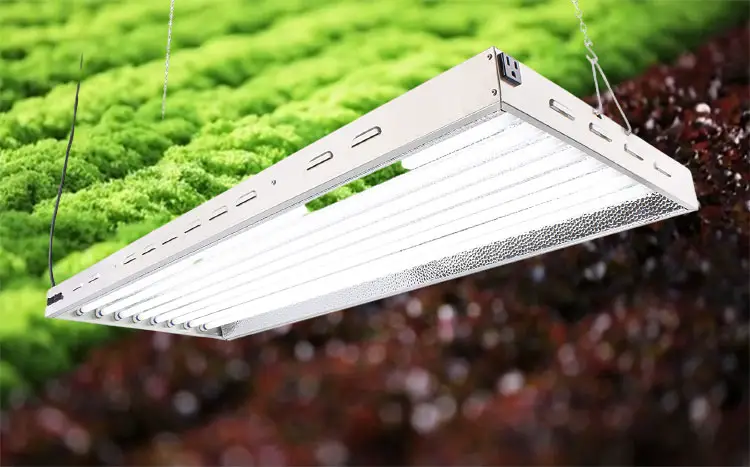
However, fluorescent lights are costly to get installed when compared to bulbs. Plant growth lights are fluorescent lights specifically created for indoor plants to help them grow properly. These are perhaps the best lights that you can use for fulfilling the lettuce requirement of light.
HID Light
HID lights are expensive compared to most of the lights available in the market for indoor plants. HID stands for High-Intensity Discharge, which has the capability to emit broad-spectrum light required by the plants to grow.
However, one disadvantage of this kind of Indoor plant light is the amount of heat that it generates along with the light. Excessive heat can result in the wilting of the indoor plant, and even the bulbs are likely to blow apart, even with a drop of water coming from the plants.
I love to use fluorescent lights as I think they are the best grow lights for my indoor lettuce. At least, they are the best alternative to natural sunlight compared to various other forms of light currently available in the market.
The fluorescent lights’ cost is relatively cheaper compared to the High-Intensity Discharge lights and the incandescent lights. Moreover, the light that is generated from the fluorescent lights is softer as well as less destructive.
They are also the best indoor plant lights because custom-made fluorescent lights are available in the market as an alternative to natural sunlight.
The process to Grow Lettuce Indoors in a Seed Tray.
Alright, so now everything you need to grow lettuce indoors is ready. It’s time to get to work.
Below, I’ll share with you how to grow lettuce indoors in a seed tray.
First, prepare potting mix. The potting mix should be in the ratio of 60% garden soil and 40% organic compost.

Second, get a container. I am using the seed tray to germinate the lettuce seeds. So I need to fill the potting mix into all the holes. Once all the holes have been filled, I will use a stick or pencil to dig a hole in each pot to insert the seed. I will sow 3-4 seeds into each hole.
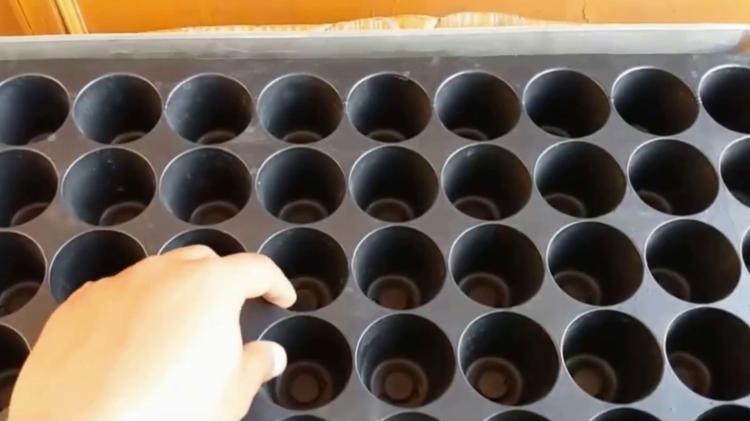
Things to remember: You need to ensure that the room temperature is not too warm because lettuce seeds won’t germinate if the ambient temperature is higher than 25 degrees Celsius.
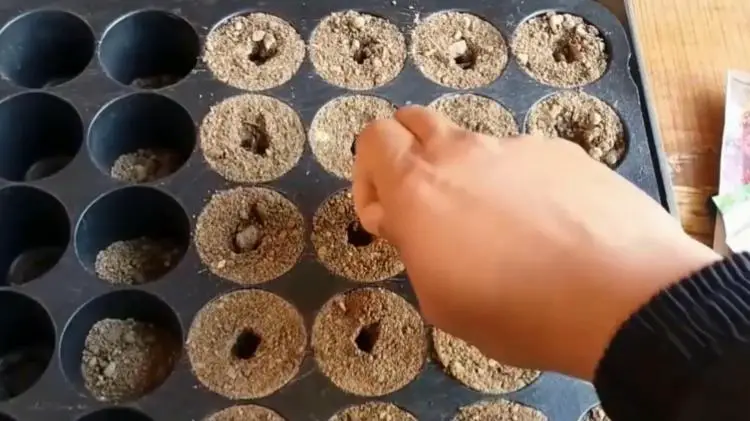
I will then use the potting mix to fill the hole after all the seeds have been inserted into the pot, then press them gently.
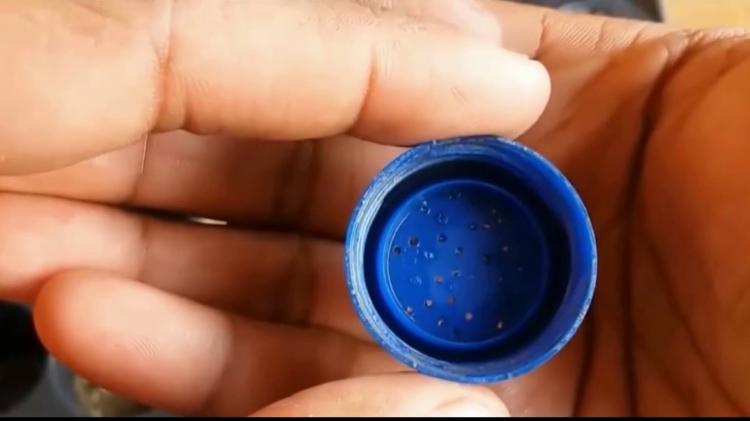
After that, get a used mineral water bottle. This is to make a simple water sprinkler. Poke some holes in the cap, fill it with water, and close the cap. Then use it to sprinkle water on the entire seed tray.
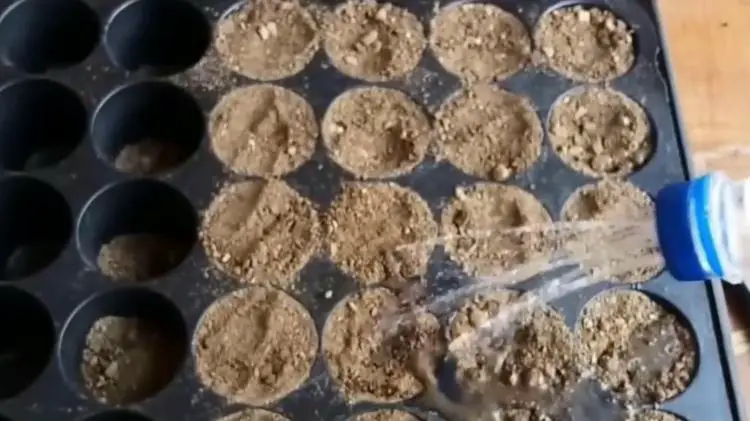
Ensure they are moist and receiving enough sunlight. I normally place the seed tray close to the windowsill to get the sunlight shining through the window.
Generally, after 7 to 8 days, I will be able to see small sprouts growing. After 21 days, the lettuce will grow to a size that they are ready for me to repot them into a larger container.
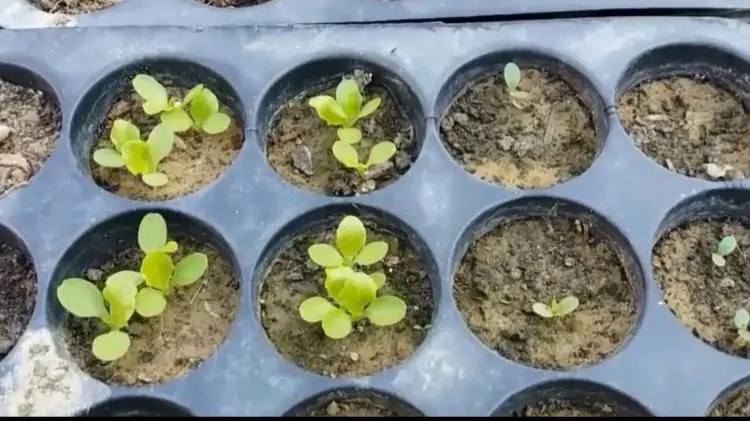
Process of Repotting
- Prepare a plastic container with holes at the bottom.
- Insert potting mix. The ratio is 60% garden soil and 40% organic compost.
- You can remove the entire plant from the seed tray and repot it into the plastic container. You may do seeding every 2 weeks to ensure you can harvest lettuce all year round.
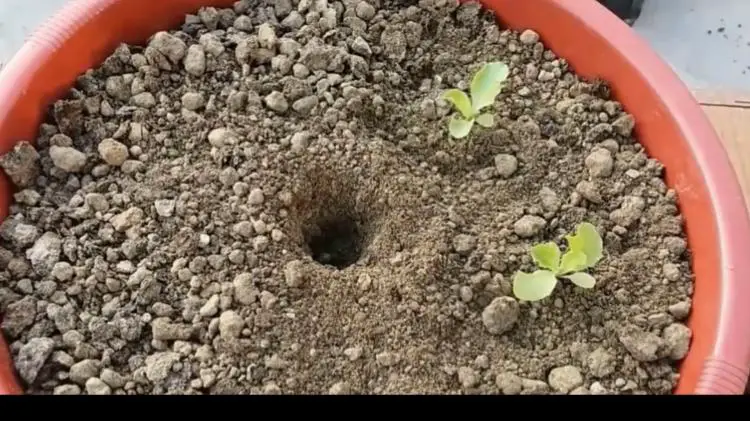
- After repotting, make sure to water the container to keep it moist(The lettuce will grow significantly in 8-10 days).
- Every 4 or 5 days, you can use a shovel to move the soil so that it can always remain light and fluffy.
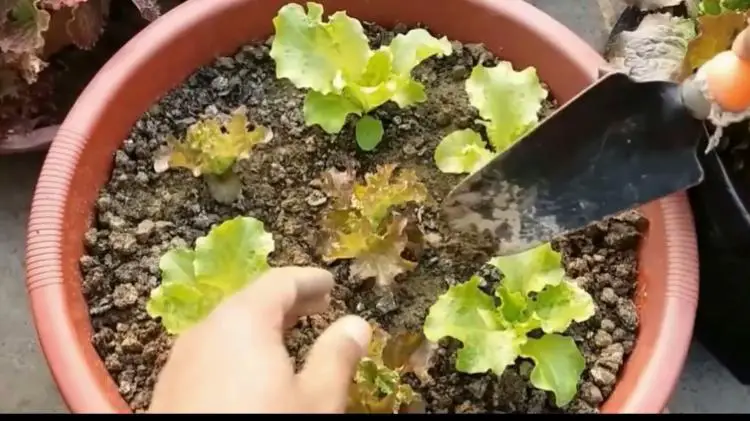
- Ensure the soil is moist and has good drainage.
- Seeding every two weeks ensures that you can harvest lettuce throughout the year.
- Adding nitrogen-rich organic fertilizer every 18 to 20 days can promote the yield of lettuce.
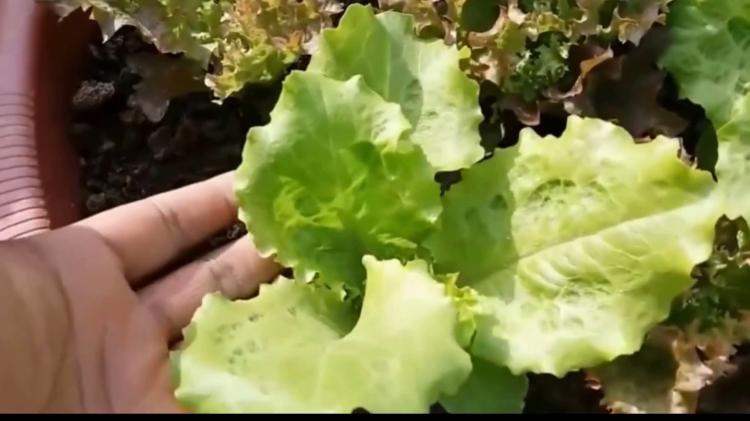
When harvesting, first pick the leaves in the outer circle. By doing so, you can prolong the growth period of lettuce. You can refer to the video below and see how you can grow lettuce indoors in a container.
How long does it take to grow lettuce indoors?
You can expect to harvest your lettuce in 2-4 weeks. When harvesting, start by picking the leaves on the outer circle. This helps prolong the lettuce’s growth period.
How Much Light Does Lettuce Need to Grow Indoors
The amount of light available is critical to the growth of lettuce seeds because it determines the growth rate and the degree of lushness of the plant.
It is recommended that your new plants receive at least 10 to 12 hours of light every day. If they can’t get enough sunlight inside the room, you may need to use a grow light. This is the only special equipment that you need. You can find them available in most hardware shops and gardening stores.
Did you find this post useful? Would you like to get back to it later? Save THIS PIN below to your best gardening and vegetable boards on Pinterest! Thanks 🙂