
There’s something almost theatrical about a lipstick plant in full bloom. Those deep red flowers emerging from dark tubular calyxes look exactly like miniature lipstick tubes being pushed up — hence the name. It’s one of those plants that makes visitors stop mid-sentence and say, “Wait, what is that?”
If you’ve just brought one home, or you’re considering it, you’re in the right place. Aeschynanthus radicans is genuinely one of the most rewarding tropical houseplants you can grow — but like most things worth having, it has preferences. Get those right, and it’ll reward you with cascading vines and bursts of brilliant color throughout the year. Get them wrong, and you’ll have a sulky green plant that refuses to bloom and slowly declines.
This guide covers everything from the basics of daily care to the specific triggers that unlock those spectacular flowers.
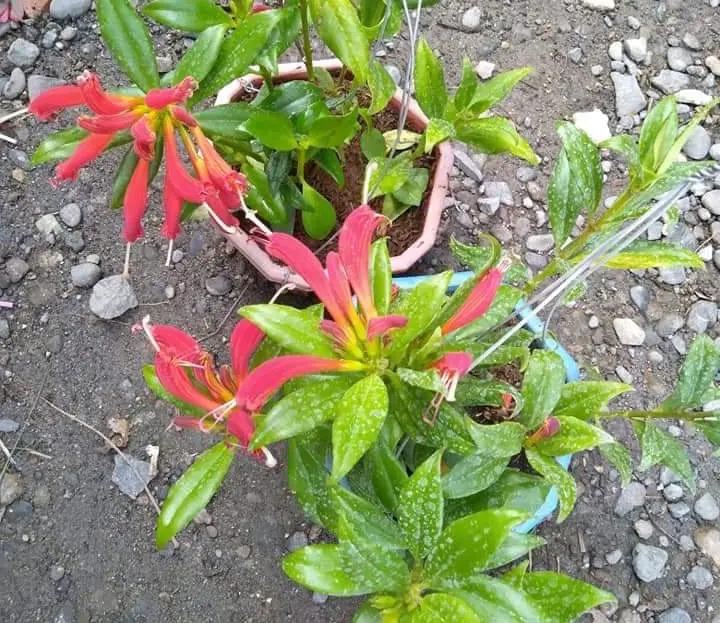
What Is a Lipstick Plant?
Aeschynanthus radicans is a tropical epiphyte native to the humid rainforests of Southeast Asia — Malaysia, Indonesia, and surrounding regions. In its natural habitat, it grows attached to tree bark, its trailing vines cascading downward while roots cling to rough surfaces for support rather than nutrition.
This origin story matters enormously for how you care for it indoors. It’s not a ground-dwelling plant that expects rich, dense soil. It’s an air plant at heart, accustomed to excellent drainage, high humidity, bright filtered light, and warm temperatures year-round.
The most common species sold as “lipstick plant” is Aeschynanthus radicans, though you’ll also encounter A. lobbianus, A. pulcher, and various cultivars like ‘Mona Lisa’ (a particularly prolific bloomer), ‘Rasta’ (with curiously twisted leaves), and ‘Tangerine’ (which produces orange rather than red flowers).
Lipstick Plant Care: The Core Requirements
Light
This is the single most important factor for getting your lipstick plant to bloom — and the most common place people go wrong.
Lipstick plants need bright, indirect light for the majority of the day. Think of a spot near an east-facing window where it gets gentle morning sun, or a few feet back from a south or west-facing window where direct rays are filtered through a sheer curtain.
Too little light is the number one reason lipstick plants refuse to flower. A common mistake is placing them in a “bright room” that actually measures quite low on a light meter. If your plant is producing plenty of lush green growth but zero flowers, insufficient light is almost certainly the culprit.
Direct midday sun, on the other hand, will scorch the leaves — you’ll see bleached patches or crispy edges. The sweet spot is bright without harsh.
Practical guideline: If you can comfortably read a book by natural light in that spot throughout the day, it’s likely adequate. For serious bloomers, investing in a small grow light to supplement during winter months makes a significant difference.
Watering
Lipstick plants like to dry out slightly between waterings — but not completely. The goal is to keep the soil consistently moist during the growing season (spring through fall) while pulling back noticeably in winter.
The most reliable method: water thoroughly until it drains freely from the bottom, then wait until the top inch or two of soil is dry before watering again. How long that takes depends on your pot size, soil mix, temperature, and humidity — it could be 5 days or 12 days. Check the soil rather than following a fixed schedule.
Signs you’re overwatering: yellowing leaves, mushy stems near the soil, a sour smell from the pot, leaves dropping off without browning first.
Signs you’re underwatering: leaves becoming wrinkled or slightly soft, browning leaf tips, very dry and pulling-away-from-the-pot soil.
Root rot from overwatering is the most common way lipstick plants die. Because these plants are epiphytes, their roots are designed for air circulation — sitting in soggy soil suffocates them quickly.
Soil and Potting Mix
Standard potting soil is too dense for lipstick plants. You want a mix that drains quickly while retaining just enough moisture — something that mimics the loose, airy conditions of tree bark.
A reliable DIY mix:
- 50% standard potting mix
- 25% perlite or pumice
- 25% orchid bark or coco coir
Alternatively, a pre-made orchid mix with added perlite works excellently. The key is that water should flow freely when you pour it in — not pool on the surface.
Temperature and Humidity
As a tropical plant, Aeschynanthus radicans prefers temperatures between 65°F and 85°F (18°C–29°C). It will tolerate brief dips to around 60°F (15°C) but anything colder will cause stress — leaf drop, slowed growth, and potential damage.
Keep it away from cold drafts, air conditioning vents blowing directly on it, and heating vents that will dry the air excessively.
Humidity is where many indoor growers struggle. Lipstick plants thrive in 50–60% relative humidity, which is higher than the average home (typically 30–40%). Signs of insufficient humidity include brown leaf tips and edges, and generally reluctant growth.
Practical solutions:
- Grouping plants together creates a microclimate with slightly higher humidity
- A small humidifier near your plant collection makes a noticeable difference
- A pebble tray filled with water (with the pot sitting above the water line, not in it) offers modest help
- Misting is less effective than commonly believed and can encourage fungal issues if the foliage stays wet
Fertilizing
During the growing season (roughly April through September), feed your lipstick plant every two to four weeks with a balanced liquid fertilizer diluted to half strength. A formula higher in phosphorus (the middle number in NPK) encourages flowering — look for something like a 5-10-5 or use a bloom-boosting fertilizer during spring.
Stop fertilizing in fall and skip it entirely through winter. Feeding a dormant or slow-growing plant leads to salt buildup in the soil without the plant being able to use the nutrients.
Every 6–12 months, flush the soil thoroughly with plain water to clear any accumulated mineral salts — these can appear as white crusty deposits on the soil surface.
How to Get a Lipstick Plant to Bloom
Getting your lipstick plant to flower is the holy grail for most growers, and it’s entirely achievable once you understand what triggers blooming.
The Light-Bloom Connection
Bright indirect light is non-negotiable for flowering. If your plant hasn’t bloomed in over a year, move it closer to a window before doing anything else.
The Cool Night Trick
Here’s something many guides don’t mention: lipstick plants often bloom more prolifically after a period of slightly cooler nights — around 60–65°F (15–18°C) for 4–6 weeks. This mimics the seasonal temperature variation they’d experience naturally. If your plant is near a window in early fall, that natural cooling can trigger a spectacular bloom cycle.
Don’t Over-Pot
Lipstick plants bloom more freely when slightly root-bound. A plant swimming in a huge pot will direct energy toward root and foliage growth rather than flowering. Only repot when roots are visibly circling the drainage holes or growing out of them.
Patience After Repotting
After repotting, expect a period of adjustment — sometimes 3–6 months — before the plant settles back into blooming. Don’t panic if it goes quiet after a transplant.
Pruning and Shaping
Lipstick plants are natural trailers, producing long vines that can reach 2–3 feet or more. They look spectacular in hanging baskets where the stems can cascade freely.
Pruning serves two purposes: keeping the plant tidy and encouraging bushier, more floriferous growth. After a bloom cycle ends, trim the stems back by about one-third. This stimulates new growth from lower nodes — and new growth is what produces flowers. Plants that are never pruned become leggy, with long bare stems and flowers only at the very tips.
Use clean, sharp scissors or pruning shears. You can prune any time, but late winter or early spring, just before the growing season kicks in, gives the best results.
Propagating Lipstick Plants
Lipstick plants propagate easily from stem cuttings — one of the most satisfying aspects of growing them.
Stem Cutting Method
- Take a cutting 4–6 inches long with at least 3–4 leaf nodes
- Remove leaves from the bottom two nodes
- Let the cut end callous for an hour or two (optional but reduces rot risk)
- Dip the cut end in rooting hormone powder (not essential, but speeds things up)
- Insert into moist perlite, seed-starting mix, or a 50/50 mix of perlite and potting soil
- Place in bright indirect light and keep the medium barely moist
- Cover loosely with a clear plastic bag or dome to maintain humidity
- Roots typically form within 3–6 weeks
Once roots are established (you’ll feel resistance when you gently tug the cutting), transplant to your regular lipstick plant mix and care for it as you would a mature plant.
Spring and early summer cuttings root most reliably because the plant’s natural growth momentum works in your favor.
Common Problems and How to Fix Them
Leaves Turning Yellow
The most likely causes, in order of probability: overwatering, insufficient light, or natural aging of older leaves at the base of the plant. Check your watering habits first — let the soil dry out more between waterings and ensure the pot has proper drainage.
Brown Leaf Tips
Usually a humidity issue. Occasionally caused by fluoride sensitivity (try using filtered or rainwater) or fertilizer salt buildup. Increase ambient humidity and flush the soil if you haven’t recently.
Leggy Growth with No Flowers
Almost always a light problem, sometimes compounded by never pruning. Move to brighter location and cut back the longest stems to encourage new growth.
Dropping Leaves
Sudden leaf drop typically indicates cold stress, drafts, or a significant change in environment. Lipstick plants dislike being moved — if you’ve just brought it home or relocated it, some leaf drop is normal adjustment. Protect it from temperature extremes.
Pests
Lipstick plants are relatively pest-resistant but can occasionally attract:
- Aphids: Small soft-bodied insects on new growth; treat with insecticidal soap spray
- Mealybugs: White cottony clusters in leaf joints; dab with rubbing alcohol on a cotton swab, then spray with neem oil solution
- Spider mites: Fine webbing, stippled leaves; increase humidity and treat with neem oil
- Fungus gnats: Tiny flies around the soil; caused by consistently wet soil — let soil dry more between waterings
Repotting Guide
Repot your lipstick plant every 2–3 years, or when you see roots circling the inside of the pot or growing out of drainage holes. Choose a pot only 1–2 inches larger in diameter than the current one — going too large too fast encourages root rot.
Spring is the ideal time to repot, just as new growth begins. Terracotta pots are excellent for lipstick plants because they’re porous and help prevent overwatering. If you prefer hanging baskets, plastic or glazed ceramic retains moisture better — adjust your watering accordingly.
Displaying Your Lipstick Plant
The trailing, cascading growth habit makes lipstick plants naturals for:
- Hanging baskets near bright windows — the classic choice
- High shelves where stems can drape downward
- Macramé plant hangers in well-lit bathrooms (the humidity helps)
- Mixed tropical arrangements where their texture contrasts with broader-leaved companions
In bathrooms with good natural light, lipstick plants often thrive without any humidity intervention — the steam from showers does the work for you.
Seasonal Care Calendar
| Season | Watering | Fertilizing | Notes |
|---|---|---|---|
| Spring | Increase gradually | Resume every 2-4 weeks | Repot if needed; prime pruning time |
| Summer | Regular; check every 5-7 days | Every 2-4 weeks | Peak growing season; watch for pests |
| Fall | Begin reducing | Taper off by October | Cool nights may trigger bloom |
| Winter | Reduce significantly | None | Keep above 60°F; reduce watering |
Frequently Asked Questions
How often does a lipstick plant bloom? With proper care — particularly bright light and appropriate temperature fluctuations — a healthy lipstick plant can bloom multiple times per year. The most common bloom periods are late spring through summer, with a possible second flush in fall.
Why is my lipstick plant not blooming? Insufficient light is the primary cause in the vast majority of cases. Other factors include over-potting, excessive fertilizer with too much nitrogen, or never pruning (which leads to no new growth, which leads to no flowers).
Is Aeschynanthus radicans toxic to pets? Lipstick plants are generally considered non-toxic to cats and dogs, which makes them a more pet-friendly choice than many popular houseplants. That said, ingestion can still cause mild digestive upset in sensitive animals.
How long do lipstick plants live? With proper care, lipstick plants can thrive for many years — even decades. Regular pruning and occasional repotting keep them vigorous. Propagating from cuttings essentially extends the plant’s life indefinitely.
The lipstick plant rewards attentive care with one of the most distinctive and dramatic flowering displays in the world of houseplants. Bright light, well-draining soil, appropriate watering, and regular pruning form the foundation of everything else. Get those four things right, and those remarkable crimson blooms are almost inevitable.
