
**It’s not a radioactive accident. It’s not an alien invasion. And no, your eyes aren’t playing tricks on you.**
Step into your garden this morning, and you might spot them: flashes of electric lime, deep emerald, and neon jade darting between leaves. Green insects are nature’s hidden gems—masters of disguise, aerial acrobats, and tiny vegetarians with attitude. Some glide like miniature fighter jets. Others sit so still they *become* the stem they’re clinging to. And a few? They’re your garden’s best bodyguards, devouring pests before you even know they exist.
From the jewel-like Green Lacewing with its translucent, veined wings to the chunky, slow-motion Green Stink Bug, these six-legged wonders are more common than you think—if you know where to look. Whether you love them, fear them, or just want to figure out what’s chewing your basil, this list will turn you into a green-insect expert.
Ready to meet the ten coolest green critters in your own backyard? Let’s dive in.
1. Praying Mantis (Mantodea)
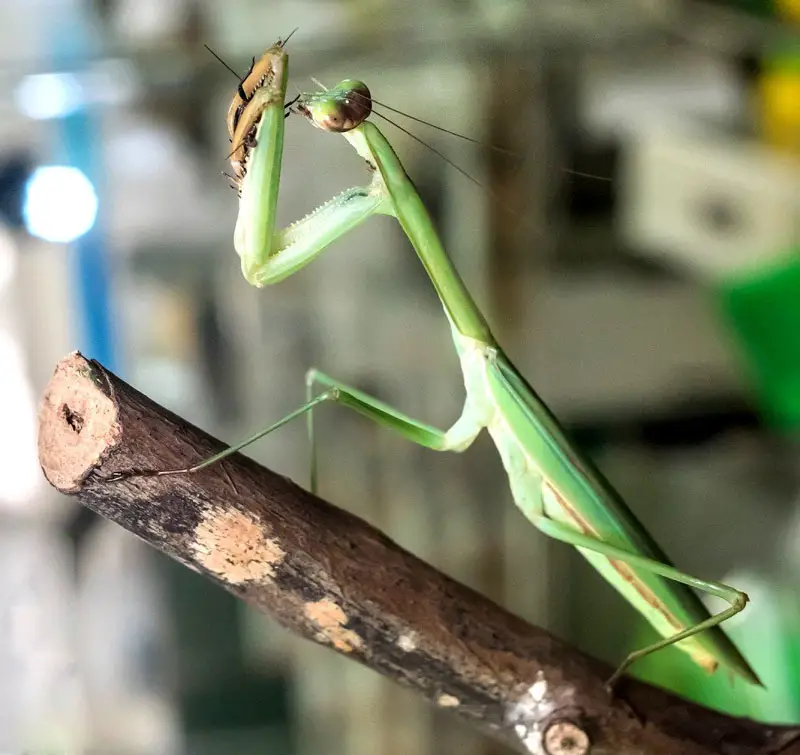
If your garden had a secret agent, it would be the Praying Mantis. With its iconic folded forelimbs—posing as if in prayer—this green predator is anything but holy. In fact, it’s a cold-blooded killer. And that’s exactly why gardeners love it.
Dressed in brilliant green (though sometimes tan, brown, or even pink), the mantis is a master of disguise. Its triangular head swivels a full 180 degrees—something no other insect can do. With two large compound eyes and three smaller ones, it misses nothing. Not a fly. Not a cricket. Not even its own mate.
Speaking of which… here’s a jaw-dropper: after mating, the female often bites off the male’s head. Yes, really. She doesn’t do it out of cruelty—it’s survival. That meal fuels her to lay up to 400 eggs inside a foam-like case called an ootheca, which hardens like armor against winter cold.
But the mantis isn’t just a horror story. It’s a gardener’s best friend. It waits motionless among leaves, then strikes with lightning speed—grabbing aphids, flies, grasshoppers, and even small hummingbirds in some species. Its spiked forelimbs lock prey in place while it starts eating from the neck down. Brutal? Yes. Effective? Absolutely.
From spring hatchlings (who sometimes eat each other) to winged adults patrolling your tomatoes, the praying mantis lives 10–12 months of pure, silent intensity.
Look closer at your bushes. He’s watching you back.
2. Grasshoppers (Caelifera)
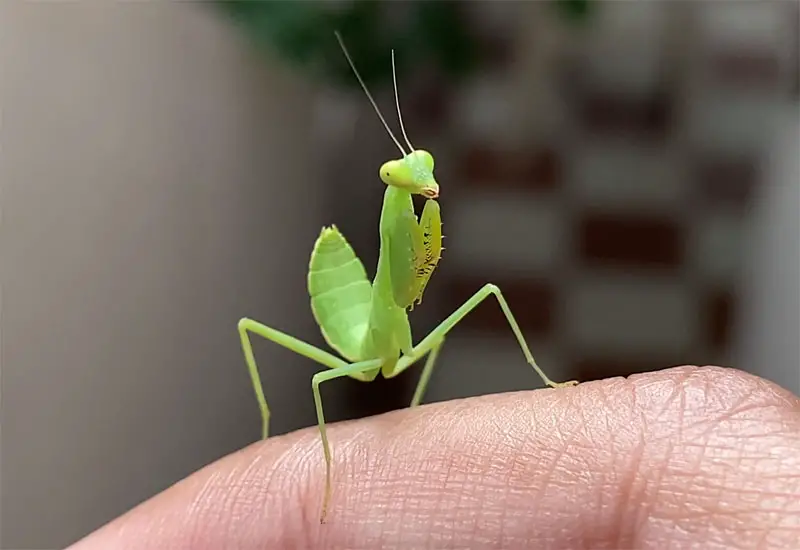
Beneath the serene surface of your backyard lies a mechanical eating machine that would make any industrial shredder jealous. Meet the grasshopper: nature’s high-velocity vegetarian and a farmer’s ultimate agricultural nightmare. While they might look like harmless, emerald leapers chilling by the pond, they are actually elite crop-crushers capable of decimating grains, corn, and vegetables with ruthless efficiency.
The Biological Arsenal: A grasshopper’s hop is not just a quirky antic; it is a masterpiece of biological engineering. Utilizing high-tension hind legs, they achieve a liftoff shaming professional athletes. In open fields, they are masters of the high-speed getaway, but in the dense, incredibly tangled undergrowth of a garden, their mobility drops, making them surprisingly vulnerable to a tactical approach.
The Garden’s Secret War: Fortunately, nature has deployed its own elite assassins to keep these pests in check. The Robber Fly acts as the garden’s aerial interceptor, snatching grasshoppers mid-flight with terrifying precision. They are not alone in the trenches; a coalition of frogs, birds, and spiders are constantly engaged in a silent, high-stakes battle to protect the landscape from garden crop defoliation. Their hunger is legendary.
Master the Catch: Trying to snatch one by hand? Good luck; you are fighting millions of years of evolutionary reflexes. For those serious about clearing their crops, ditch the bare-hand technique and invest in a high-quality sweep net. It is the only way to reliably intercept these emerald ghosts before they turn your prize-winning garden into skeletal stalks. This is the ultimate guide now.
3. Katydid (Tettigoniidae)
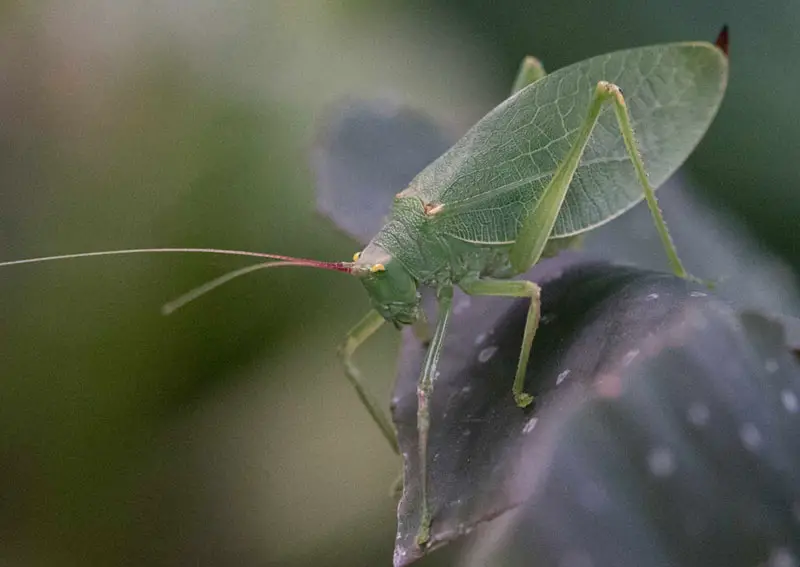
The Emerald Phantom: Why Your Garden Is More “Spooky” Than You Think
Your backyard is currently being watched by a legion of emerald ghosts. Meet the katydid—or “bush cricket”—nature’s most eerie masterpiece of camouflage. These aren’t just bugs; they are high-stakes mimics that have perfected the art of looking exactly like a leaf to avoid being eaten. If you’ve ever felt like the foliage was staring back at you, it probably was.
The 10,000-Chirp Symphony
While they look like peaceful greenery by day, the night belongs to their acoustic assault. Male katydids are essentially biological radio towers, rubbing their wings together to produce a rhythmic, chick-like chirp that can reach a staggering 10,000 repetitions per hour. It’s a relentless serenade for love, but to scientists, it’s a living thermometer: by counting the frequency of these chirps, experts can actually gauge the ambient temperature. If a rival dares to approach, the melody shifts instantly into a shrill, piercing piping note to stun the intruder.
Ancient Luxury & Bizarre Appetites
This “symphony” was so prized in ancient China that noblewomen kept these insects in golden cages by their beds, using the repetitive cadence as a lullaby. But don’t let the royal treatment fool you. Behind the melody is a bizarre, omnivorous appetite. Katydids aren’t just eating your leaves; they are the garden’s “clean-up crew,” capable of munching on other insects, fabrics, and—strangely enough—even rubber.
Unless you’re facing a massive infestation, these spooky residents are harmless sentinels, maintaining the delicate balance of your ecosystem while they sing their endless, emerald songs.
4. Aphids (Aphidoidea)
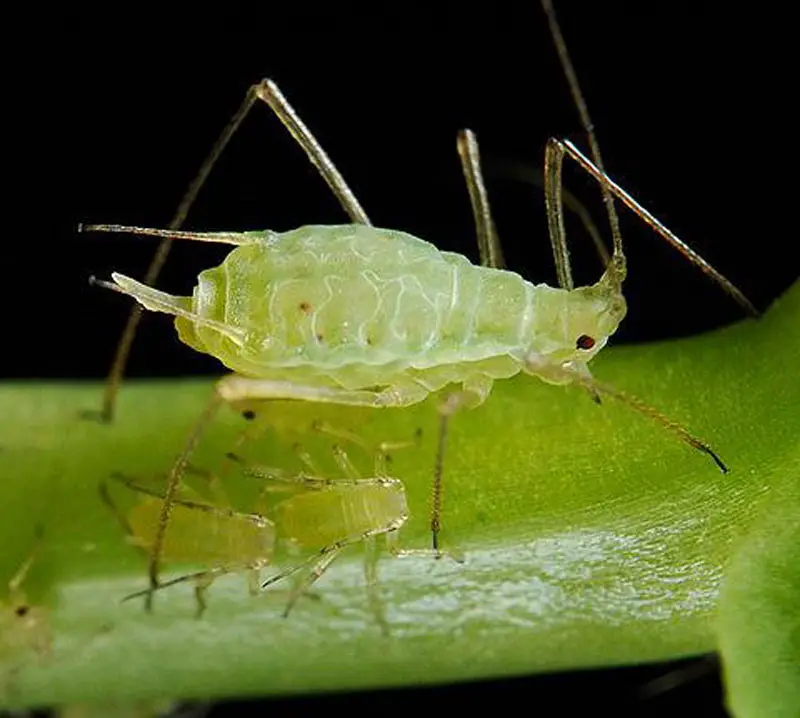
They’re small. They’re green (or brown, or black). And they’re *hungry*.
Meet the aphid—also known as plant lice. Don’t let their size fool you. One or two are no big deal. But aphids reproduce so fast that a single unnoticed pest can become a full-blown colony in days. Before you know it, your tender new leaves look curled, twisted, and miserable.
So how do you know they’ve arrived? Watch for ants marching up your plants. Strange but true—ants love the sweet, sticky honeydew that aphids produce. In return, ants act like bodyguards, scaring away predators. It’s a tiny insect mafia.
But don’t panic. You’ve got weapons—no chemicals required.
Blast them. A strong jet from your garden hose knocks aphids right off.
Crush them. Squishing a few releases an alarm chemical that sends the rest running.
Spray them. Mix the grated soap with water. It suffocates aphids on contact.
Garlic bomb them. Soak chopped garlic in oil and water overnight, strain, and spray. Your garden will smell like an Italian kitchen, and aphids will hate it.
Better yet, invite ladybugs, lacewings, and hoverflies to dinner. They *devour* aphids by the dozen. And for a sneaky trick? Lay aluminum foil around plant bases. Sunlight reflects onto leaf undersides, where aphids hide. They hate bright light.
Feed your soil. Water wisely. Mulch well. Strong plants fight back.
You’ve got this. No poisons. Just smart, natural pest control.
5. Green Stink Bugs (Chinavia hilaris)
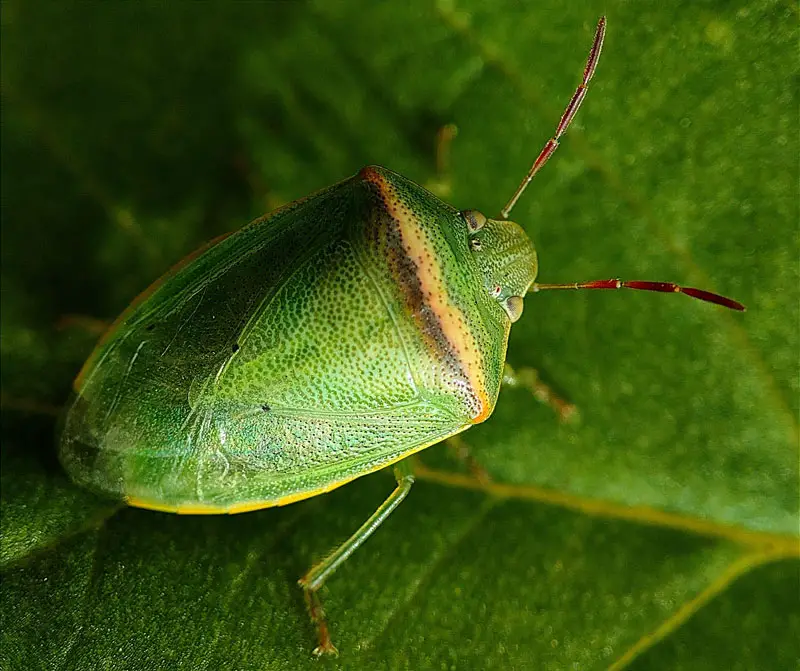
Brace yourself: you are currently sharing your garden with a master of biological chemical warfare. The Green Stink Bug (Chinavia hilaris)—commonly known as the Shield Bug—isn’t just another harmless garden guest; it is a walking stink-bomb equipped with a high-performance defense system that would make any predator gag.
Locked within specialized glands on their thorax is a putrid, liquid weapon designed for one purpose: total deterrence. The fatal mistake most people make is the ‘squash.’ When you crush a stink bug, you aren’t just killing a pest; you are detonating a gaseous distress signal. This ‘biological perfume’ doesn’t just repel enemies—it acts as a powerful chemical beacon that can actually lure more of its armored kin to the scene. Think twice before you strike; one squashed bug can lead to a swarm.
Equipped with piercing-sucking mouthparts that operate like microscopic surgical needles, these emerald infiltrators bypass the skin of your prize-winning fruits to drain the vital nutrients within. For farmers, they are the ultimate agricultural saboteurs. Their voracious feeding doesn’t just stunt growth; it leaves behind deep ‘cat-facing’ scars and unsightly discoloration that turn a healthy harvest into unsellable waste.
From their wingless nymph stage to the armored, four-winged adult form, they are masters of camouflage, vanishing into the greenery until the sun sets. Drawn to the warmth of your home, they are the uninvited nocturnal nuisances of the modern garden. Respect the shield, but beware the scent—once that stench hits, the battle for your backyard has already been lost.
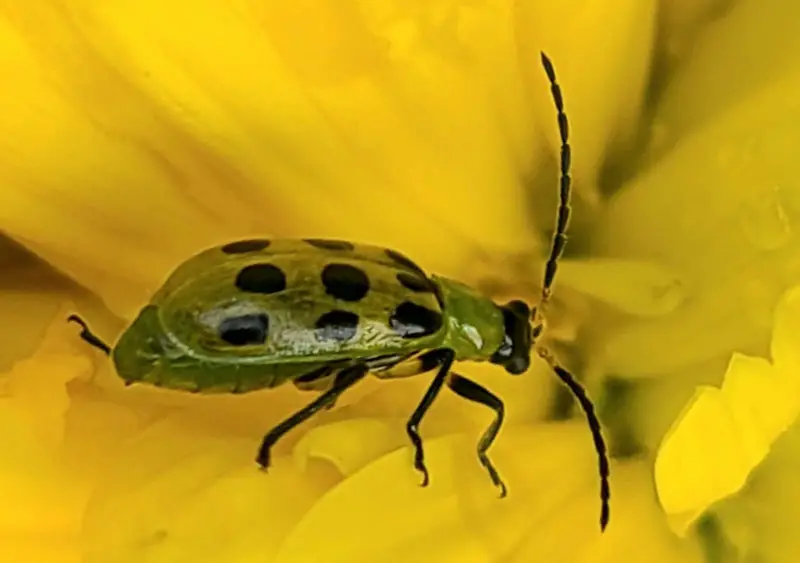
6. Cucumber Beetles (Acalymma vittatum F. )
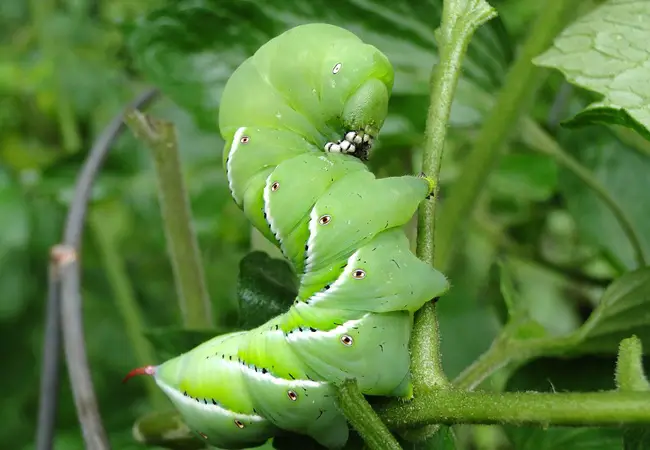
Do not let the vibrant, neon-green aesthetic deceive you. Beneath that “adorable” exterior lies a biological wrecking ball specifically engineered to dismantle your hard-earned harvest in record time. Meet the Tomato Hornworm—the heavyweight champion of garden sabotage. These hefty, emerald-green caterpillars, marked with striking white stripes, aren’t just passing through; they are the gluttonous precursors to the formidable Hawk Moth, and they have one goal: a total takeover of your tomato patch.
The Search-and-Destroy Strategy
After weeks of nurturing your soil and perfecting your watering schedule, seeing your plants fall to “hornworm havoc” is a heartbreak you can avoid. Because these pests are masters of camouflage, your best defense is a literal “hands-on” approach.
- Tactical Handpicking: Regular garden surveillance is mandatory. When you spot a hornworm, physically remove it and relocate it far from your perimeter.
- Decoy Planting: Deploy Dill nearby to act as a biological distraction, luring them away from your prize tomatoes.
- The Marigold Shield: Intersperse Marigolds throughout your rows; their scent acts as a natural deterrent against a variety of invaders.
Biological & Chemical Reinforcements
If the infestation escalates, it is time to call in the cavalry. Ladybugs serve as elite natural mercenaries, while insecticidal soaps provide a non-toxic chemical solution to halt the destruction. By implementing crop rotation and staying vigilant with daily checks, you can ensure your garden remains a sanctuary of growth rather than a buffet for pests.
Don’t wait for the first leaf to disappear—take swift action today to secure your bountiful harvest.
8. Glorious Beetles (Chrysina gloriosa)
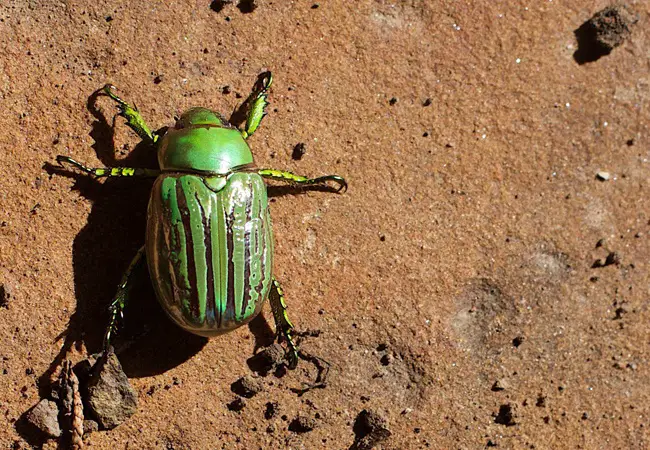
Some beetles hide in the dirt. This one belongs in a treasure chest.
Meet *Chrysina gloriosa*—better known as the Glorious Beetle or Glorious Scarab. And trust me, the name isn’t an exaggeration. With a shell that shimmers like polished emerald, this insect is one of North America’s most breathtaking sights. Spot one in the southwestern United States, and you’ll feel like you’ve stumbled upon a living piece of jewelry.
But don’t let the good looks fool you. This beetle works hard.
Adults spend their days nibbling on leaves, while their larvae take a different approach—snacking on the inner bark of branches and stems. They even leave behind a sticky, glue-like goo. (Charming, right?)
Size varies wildly. Some Glorious Beetles are smaller than your pinky nail; others stretch over eight centimeters long. Larvae look completely different—long, flat, and creamy white—hiding beneath tree bark like secret agents. And when beetles munch too aggressively? Tree bark can actually burst. Yes, *burst*.
Here’s the best part: these beetles love sunshine. You’ll find them basking on tree trunks, soaking up rays like tiny, six-legged sunbathers. And while they’re strong fliers capable of crossing long distances, they take their sweet time once they’ve landed. No rushing for this gem.
Hard to catch? Absolutely.
Fast on foot? Not even close.
The Glorious Beetle is rare, radiant, and ridiculously cool. Keep your eyes on sunlit tree trunks—you might just discover treasure.
9. Green Lacewing (Chrysoperla rufilabris)
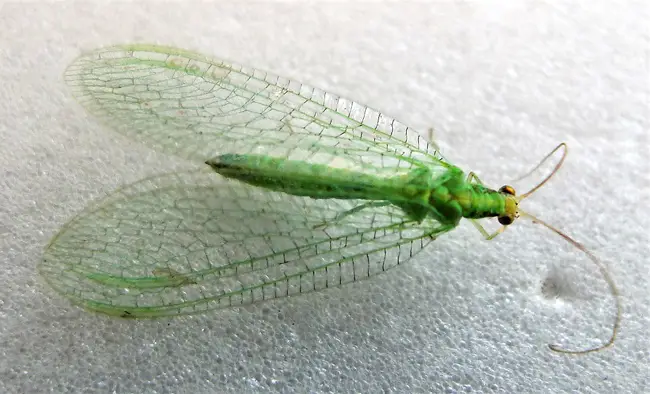
What if you could buy an army of tiny, hungry killers online—and have them shipped straight to your door?
Meet the Green Lacewing. Delicate. Pale green. Papery wings. Looks like a fairy, fights like a beast.
Well, technically, the *adults* are gentle souls. They float around gardens, sip nectar, and nibble pollen like peaceful little vegans. But their children? Absolute monsters.
Lacewing larvae are famously called “aphid lions” —and for good reason. These tiny terrors stalk soft-bodied pests like aphids, thrips, mealybugs, caterpillars, and insect eggs. They pierce their prey with sickle-shaped jaws, suck out the juices, and move on to the next victim. Brutal? Yes. Effective? Extremely.
Here’s the clever part: adult lacewings are drawn to “honeydew”—that sweet, sticky liquid oozing from aphid colonies. They lay their eggs right in the middle of the buffet. When the larvae hatch? Dinner is served.
You’ll find Green Lacewings across North America, especially in humid spots like forest edges. But they’re just as happy in your backyard, greenhouse, or field. And yes—you can actually order lacewing larvae online. Sprinkle them onto infested plants, and watch nature’s tiny assassins go to work.
No chemicals. No poison. Just pure, efficient predation.
The Green Lacewing: gentle parent, ruthless child, and one of the best pest control agents you’ll ever meet.
10. Ambush Bugs (Amblythyreus)
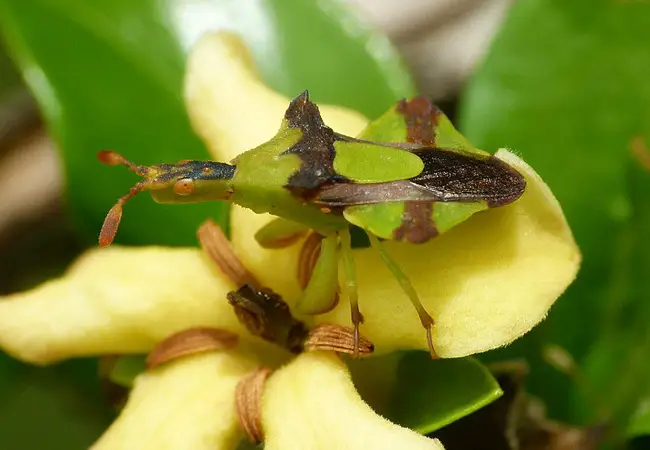
image credited: Wikipedia
Don’t let the size fool you.
Hidden among your garden’s goldenrod and daisies sits a killer. A patient, stocky, thick-legged killer that asks for nothing but silence—and a victim.
Meet the Ambush Bug.
At first glance, you might mistake it for its famous cousin, the assassin bug. But look closer. Ambush bugs are *built* differently. Stockier bodies. Beefier front legs. Shorter, stubbier heads. They didn’t skip leg day—they made it their entire personality.
These bugs belong to the order Hemiptera, making them distant relatives of stink bugs and leaf-footed bugs. Like them, they pack piercing, sucking mouthparts and wings with see-through tips. But ambush bugs take things further. Much further.
They don’t chase. They don’t stalk. They *wait.*
Perched motionless on a flower, front legs raised like tiny spiked clubs, they ambush anything that lands nearby—bees, flies, even insects larger than themselves. Then, lightning-fast, they strike. Those beefy legs lock prey in place while the ambush bug injects a paralyzing saliva through its needle-like proboscis. The victim stops struggling almost instantly. Dinner is served.
From egg to adult, young ambush bugs molt four times, each stage a little more deadly than the last. Females lay eggs on leaves and stems, and the cycle of quiet violence continues.
So next time you admire a flower, look twice.
There might be an assassin watching you back.


Got the information needed
Very informative and the photos are very clear, You need to proof read your post.
Thanks for the comment. I have proofread it. Hope it got improved.
Thanks for this beautiful article.